
How Gyms Successfully Prepare for Seasonal Behaviour Changes

How Gyms Successfully Prepare for Seasonal Behaviour Changes

The independent gyms that hold their numbers through summer are the ones that planned for the changes it brings. The ones that didn’t were just reacting as attendance levels dropped and patterns changed.

Today here at Ashbourne we will be looking at the difference that planning for each season can make. And as Summer is around the corner we will be focusing on how planning for Summer can make and how independent gym and fitness club owners can strengthen their retention figures, revenue, and enter Q3 in the best possible form. 

Summer is a predictably unpredictable time for a lot of demographics. Parents of young children understandably find it slightly harder to manage their schedules in the summer months. Members who joined in Q1 so that they had somewhere to train while it was dark, cold and miserable now find themselves in a different world altogether, one of longer evenings, warm air and cool breezes. All of this reduces the pull of an indoor facility. But these patterns repeat every year, which means there is little excuse for being caught off guard by them.

Put the Full Year on Paper Before January Ends

A 12-month activity calendar is the most straightforward tool available to independent gym operators, and one of the most underused in our experience. Map out your seasonal campaigns, member challenges, referral drives, and events month by month. Plan for activities like summer body challenges and events for May. Schedule a family charity fundraiser for your local area’s school holiday period. Book in a back-to-routine push for September to get people engaged even once the ‘summer body’ motivation has started to fade. 

When these things are planned ahead, two things happen. First, it stops the Monday-scramble for new, hastily thrown together ideas. Second, members begin to expect and anticipate that there will be events, it helps inform the culture and expectation for your independent gym. A gym that runs the same summer challenge every year builds expectations around it. Whether it is members that remember the event fondly or others that saw advertisements for it around town or on your social media feeds. That consistency is a retention mechanism in itself.

The calendar also gives you room to adapt. Adjusting your plan within an existing framework is far less disruptive than building one under pressure in June when member attendance and retention rates have already started sliding in the gym.

Change Your Timetable to Reflect How Members Actually Train in Summer

Pulling your historic class attendance data and going through it month by month will ensure your plans are being informed by your members and an indication of their preferences. If your 6am sessions filled consistently from May through August while your 7pm slots dropped off, your timetable should reflect that. 

Morning demand typically strengthens in summer. Members prefer to train before the heat of the day, minimising disruption to their evening social schedule. Afternoon classes will often thin-out in most areas, though late-evening classes can become more viable given the increased daylight hours.

All this to say that if you are running the same timetable in August that you ran in February, you are most likely misallocating resources and missing demand.

Some independent gym and fitness clubs add shorter formats specifically for the summer: 30-minute high-intensity sessions in the morning to attract members who want to train hard and be out quickly. Where space allows, outdoor-format classes keep members engaged without competing against the draw of exercising outside. Neither requires significant investment, though arranging outdoor spaces can often require a not-insignificant amount of planning to start with.

Your Data Already Tells You Where the Risk Is

Your gym management software holds the information needed to make these decisions accurately. The question is whether you are using it before summer starts or after the damage is done.

A BI dashboard that shows member engagement, class attendance, PT bookings, and sign-up rates broken down by month will surface the same patterns every year. PT bookings fall in July. New member acquisitions spike in the second week of January and again in late April. Attendance among members who joined more than six months ago starts declining in June. These are not estimates; they are your own historical data.

Use it to identify the member segments most likely to lapse. Parents of school-age children are an obvious group. January joiners who are now six months in and losing momentum are another. Members who have already dropped from three sessions a week to one are a third. Target these groups specifically, before they cancel, not after.

Community Is What Keeps Members When the Weather Improves

To some members, the practical value proposition of a facility will be reduced in summer. Members who joined partly because they needed somewhere sheltered and structured to train in bleak midwinter will naturally feel less of that same pull in June. The gym itself hasn’t changed but their motivations and reasons to be there have.

One of the things that won’t change in that time might be a sense of belonging. Members who feel genuinely connected to a gym, its staff, and other members, return to that. They don’t just return to equipment, they return because they’ve come to enjoy the space, the people and the events. 

Whether it is hosting a member’s only breakfast/coffee morning or setting up a running club to keep your business associated with outdoor activities, small events can make a big difference when it comes to a member considering whether they are still getting the same value from their membership in the summer as they did in February. 

Referral schemes also perform better in summer when community feeling is high. A member who feels part of something is more inclined to bring someone else into it. A structured referral incentive running through June and July can offset some of the natural footfall reduction while expanding your membership base at the same time.

Send Fewer Messages, But Make Them Count

A common mistake during a quiet summer is to increase communication frequency. More emails, more push notifications, more social posts. Members who are disengaging do not re-engage because the volume went up. They disengage faster when the messages feel irrelevant to them.

Segment your communications by behaviour, interests and urgency to increase member retention. I think we can all agree that the member who hasn’t shown up for three weeks during July might require a different communication package to the member who is still attending four times a week. In summer, our former member could simply be on holiday, dealing with their children, or any number of things. The prompt doesn’t need to be heavy-handed, but it is important to target your retention efforts towards at-risk members. 

Your Customer Relationship Management system already holds the visit frequency data needed to do this. The segmentation is not complicated. It just requires using the data you have rather than defaulting to a blanket newsletter.

Staffing and Hours Need the Same Review as Everything Else

A gym running the same opening hours and staffing rota in August that it ran in February is operating on inertia, not evidence. Check your footfall data by hour and by month. If early morning traffic increases from May and evening attendance drops from June, your hours and staffing should move accordingly.

Running a full evening shift for low attendance is a cost that does not need to exist. Understaffing your busiest morning sessions is a member experience problem that will start to eat away at your member satisfaction and retention rate. Neither is inevitable if you look at the numbers before the season starts.

Summer Prep Starts Now

Late spring is when the operational decisions for summer need to be made. Campaigns require an appropriate amount of lead time and planning. Timetable changes need to be communicated early to avoid confusion and member dissatisfaction. Staff scheduling adjustments need notice. If you wait until you notice a June dip to start planning, it might already be too late to make a meaningful impact on the numbers that matter. 

Gyms that find summer arriving with plans already in place retain more members, spend less reactively, and carry better momentum into autumn. The preparation doesn’t have to be complex, it is just a matter of doing it before the season starts, rather than while you are in the thick of it.

If any of the tools and systems we’ve mentioned during this article feel like assets that would make running your independent gym or fitness club easier, reach out to us and book a demo today with our in-house, UK-based team.

Ashbourne has supported independent gyms and fitness clubs across the UK and Ireland for nearly three decades. From membership management software and BI dashboards to access control hardware and technical support, Ashbourne gives operators the tools to understand their members and run their clubs with confidence year-round.


Fair Rates For Fitness

If you are reading this, you are likely someone who cares about the UK’s fitness industry. If so, we ask for another minute of your time as we discuss something important to all of us within the fitness industry.

Here at Ashbourne Membership Management, we have been proud to work in this dynamic, innovative sector for nearly three decades. At time of writing the UK government has decided to increase business rates as part of the latest budget. While we are always happy to pay our way, we believe that these rates do not acknowledge the incredible benefit that independent gyms and fitness clubs bring to society.

Every party manifesto claims that they want the people of the UK to be healthier, happier and more active. But when the time comes to match action to rhetoric, our industry is too often left out.

So if you want to make your voice heard alongside the hundreds who have already acted, follow the link here to Fair Rates for Fitness, a campaign being championed by our partners over at the Gym Owner’s Forum

More to Read...

Get your club in shape.

Want to discover how? Let us show you.

Simply select your preferred timeslot and we’ll be in touch to have a chat about your health club,
the goals you want to achieve, and how our system can help you.

Get your club in shape.

Want to discover how? Let us show you.

Simply select your preferred timeslot and we’ll be in touch to have a chat about your health club, the goals you want to achieve, and how our system can help you.


Get your club in shape.

Want to discover how? Let us show you.

Simply select your preferred timeslot and we’ll be in touch to have a chat about your health club, the goals you want to achieve, and how our system can help you.

Building Systems That Support Growth, Not Just Survival

Building Systems That Support Growth, Not Just Survival

We all know the phrase ‘a good problem to have’. And I think most of us in the fitness industry would agree that being in the position where you can expand to a second site is a good problem to have.

But a good problem is still a problem and the approach that worked at your first site might not translate directly into success for the second. Every area is different, in demographic, footfall, space, transport links. And that is to say nothing of scalability problems many independent gym owners eventually run into. 

Most independent gyms and fitness clubs aren’t set up with scalability in mind for good reason. 

It isn’t down to a lack of ambition or vision, it is just a matter of practicality. Setting up an independent gym or fitness club is an exercise in constant problem solving and few owners have the luxury of thinking beyond the walls of their first facility.

But that is today’s question. Once your first site is up and running, will the systems, procedures, and culture that you have put into practice at your first site successfully scale?

Let’s take a look at what happens and why, including a look at an Ashbourne partner that went from their original site to 24 sites! 

Why Single-Site Systems Break Under Expansion

When a gym is growing, informal systems work well enough. But as soon as a second site opens, that picture fragments. There are now two sets of members, two sets of staff on the books, two sets of accounts to manage, and if left to their own devices they will soon be managed in two completely different ways.

This is forward planning and a unified approach is vital. 

This fragmentation tends to deepen with each additional location. One site uses a spreadsheet to track memberships, another uses a different piece of software that was installed by whoever managed the opening. The result is a reporting landscape that makes genuine oversight and insight nearly impossible.

No gym owner wants to be faced with a situation where, to understand how the business is actually performing, someone has to manually pull data from multiple sources, reconcile them, and produce a summary. 

A reliance on manual admin for tasks will only cause more pain, and more potential failure points, as an operation grows. 

Chasing membership payments and renewals, access queries, direct debit failures, these are tasks that scale directly with member numbers. The small bad habits and inefficiencies that were manageable with one site becomes genuinely unmanageable with two, three, or four. Luckily, there is a solution. One that can be implemented at any time, not just at the founding of your first facility.

The Difference Automation And Centralisation Makes To An Expanding Fitness Business

The independent gym and fitness club owners who are able to scale their businesses well tend to share one characteristic.

When setting up a new site, transplanting the systems that worked was a main focus, not as an afterthought. They know that certain procedures, processes, and technology made their first gym work. They know that if this second, third, or fourth gym is going to live up to that standard, it will need to follow this pattern.

They understand that a centralised gym management system, one that handles membership data, payment collection, access control, and reporting across all sites from a single point,  is not a luxury for larger businesses. It is part of the successful formula that made those larger businesses possible in the first place.

Centralised membership management means less repeated manual admin, less potential points of failure and less effort to get the full picture. It means that a direct debit failure at any location will trigger the same recovery process that has been put in place, handled the same way.

The ability to sit down on any given morning and just know how all your sites are performing is invaluable. No need to contact managers or frontdesk staff, you can just see the information in one place, in a consistent format, at the click of a button.

This kind of insight and clarity changes how you are able to run a fitness business. Rather than reacting to problems after they have already grown, you can see them forming. If the new site is experiencing a decline in membership renewals while the old site is still growing something is amiss.

If one location is suffering more payment failures, or errors in sign-up, it is important to be able to identify the issue in real time. 

And that is to say nothing of the other important benefit of centralisation. Consistency.

When every site operates on the same platform, with the same processes, the member experience becomes predictable. Your fitness business is a brand. It is a brand that is easy to manage when you are just at one site, but a bad reputation for one facility can quickly translate to bad word-of-mouth for other sites.

Staff training is simpler because you have the same systems in place everywhere. And when it comes to opening a new site, you are not building processes from scratch, you are replicating the formula that you know works. 

What Stops Independent Gym Owners From Getting There

If centralised systems are so clearly valuable, why do so many multi-site independents tend to veer towards a more fragmented approach? Part of the answer is a combination of time and resources.

The moment when a gym most needs to invest in proper infrastructure is also the moment when it is most stretched, cash is going into the new site, staff time is consumed by the opening, and nobody has the capacity to overhaul their back-office systems at the same time.

Part of the answer is also inertia. A system that is working, even imperfectly, is hard to replace once it is up and running. The prospect of migrating membership data, retraining staff, and changing payment processes while the business keeps running is daunting enough that many operators put it off indefinitely.

But the cost of delay is real, and it accumulates. Every month spent on manual reconciliation is a month where errors go unnoticed. Every direct debit failure that requires personal follow-up is time that could have been spent on something more valuable.

The gym owners who navigate this well tend to make plans ahead of time, picking the hardware, software, and procedures that they know were vital to their success and making sure they are implemented in the new site. 

Foundry Gym: From One Gym to Twenty-Four

Now that we’ve gone through the theory, let’s take a look at the practical.

Foundry Gym has, at time of writing, grown to 24 sites across England and Wales, with locations stretching from their Birmingham heartland to Newcastle-under-Lyme and across the Welsh border into Wrexham. A further nine sites are planned, in locations as far apart as Bristol, Swansea, Kent and Stafford. This is a fantastic regional expansion by any metric, and that success was certainly not built by a reliance on informal systems.

Co-founder Joe, who reflects candidly on the business’s origins, admits they initially treated it more like a hobby than a commercial enterprise.

Certainly no grand plans. And that is great. As we discussed above, Foundry Gym is a great proof that just because a gym wasn’t set-up with multi-site expansion in mind, that it is still a very real possibility done right.

The gyms Joe runs today are, in his own words, ‘unrecognisable’ from where they started. That transformation was not just about finding the right locations or building the right culture, it was about putting the operational infrastructure in place to support the pace of growth they were pursuing.

In the early days, the problems were familiar ones. Collecting payment was a persistent headache. Cash and card transactions required manual handling, and following up on members who had not paid was time-consuming and inconsistent. This is exactly the kind of friction that, at one or two sites, is irritating but manageable. Scaled across a growing number of locations, it would have become a serious operational constraint. 

As Joe put it, simply getting members to pay was one of the biggest challenges they faced before addressing their systems, a problem that was substantially resolved by switching to automated direct debit management.

The impact of getting the operational infrastructure right has been significant. Foundry’s partnership with Ashbourne has, in Joe’s assessment, played a considerable part in the business’s growth. 

‘Our business has exploded in popularity, really, and I think Ashbourne has played a big part in that. Ashbourne allowed us to put the stuff in place to be able to do that.’

The message from Foundry is clear. Growth across their multi-site gym business did not happen in spite of operational systems, it happened because of them. The ability to open new sites without recreating the same administrative chaos each time, to maintain consistent member experiences across locations, and to keep financial visibility across the whole estate are not incidental benefits. They are what make the growth sustainable.

For Foundry, this has translated into a clear position when it comes to onboarding new franchisees. The question of which systems to use is not left open for discussion. When a new franchisee joins, there is a preferred list of suppliers and a shorter list of mandatory ones.

In Joe’s words: 

‘When it comes to a new franchisee coming on board we basically have a preferred list of suppliers and we have some that you have to have as mandatory. Ashbourne is one of the mandatory ones.’

We can’t think of a better endorsement from an independent gym owner, and we are looking forward to many more years, and many more sites, with Foundry Gym.

And whether you have one facility or more, if you think Ashbourne Membership Management can help successfully scale your business just like Foundry, reach out today. Click here to book a demonstration with our in-house, UK based team and discover why our membership management software has become the cornerstone of businesses across the UK and Ireland. 

Fair Rates For Fitness

If you are reading this, you are likely someone who cares about the UK’s fitness industry. If so, we ask for another minute of your time as we discuss something important to all of us within the fitness industry.

Here at Ashbourne Membership Management, we have been proud to work in this dynamic, innovative sector for nearly three decades. At time of writing the UK government has decided to increase business rates as part of the latest budget. While we are always happy to pay our way, we believe that these rates do not acknowledge the incredible benefit that independent gyms and fitness clubs bring to society.

Every party manifesto claims that they want the people of the UK to be healthier, happier and more active. But when the time comes to match action to rhetoric, our industry is too often left out.

So if you want to make your voice heard alongside the hundreds who have already acted, follow the link here to Fair Rates for Fitness, a campaign being championed by our partners over at the Gym Owner’s Forum

More to Read...

Get your club in shape.

Want to discover how? Let us show you.

Simply select your preferred timeslot and we’ll be in touch to have a chat about your health club,
the goals you want to achieve, and how our system can help you.
Get your club in shape.

Want to discover how? Let us show you.

Simply select your preferred timeslot and we’ll be in touch to have a chat about your health club, the goals you want to achieve, and how our system can help you.
Get your club in shape.

Want to discover how? Let us show you.

Simply select your preferred timeslot and we’ll be in touch to have a chat about your health club, the goals you want to achieve, and how our system can help you.

How Gyms Use Structure to Scale Without Losing Culture

How Gyms Use Structure to Scale Without Losing Culture

We call them ‘growing pains’ for a reason and today we will be looking at one ‘pain’ we have seen a lot of independent gym and fitness clubs struggle with over the years and we will be focusing on three independent gyms in the UK that were able to deal with the issue.

Like many intangible aspects of business, a fitness facility’s ‘culture’ can be hard to define and as that business starts to scale up, even harder to keep. When the regulars start to get lost in the crowd and you can no longer reasonably expect your staff to remember all those names, there is a risk of losing that special sense of belonging that many of us love and value in local businesses.

And it is a reasonable thing to be concerned about, even while celebrating that it comes from an increase in members.

To begin with, a genuine culture can start to form almost due to a charming absence of process and procedure. In an increasingly bureaucratic world it can feel fresh and simple. But after a certain point that hands off approach won’t cut it anymore. Ironically it is structure and procedure that can help an independent gym or fitness club keep that feeling even as it scales up and expands.

And it doesn’t make it less genuine. The desire to maintain that feeling and that ‘culture’ isn’t cynical. It is just a simple fact that at a smaller scale it forms naturally and at a larger scale it has to be maintained. So let’s take a look at how.

What Structure Means For A Scaling Independent Gym

When people hear ‘structure’ alongside ‘culture’ they often picture corporate procedure manuals but that isn’t what we are getting at here.

For an independent gym, structure is simply the decision, made in advance, about how things will be done consistently, how a new member is welcomed, how a class is communicated, how a billing problem gets resolved. 

It is the difference between a gym that relies on whoever happens to be on shift having a good day versus one that wants to deliver a great experience every time. 

What this ‘structure’ is trying to maintain are the special things an independent gym should treasure. The sense of the community and the small personal touches. People like to get a personal and genuine service from their local businesses, it is why many people in the UK go out of their way to choose them over the corporate chains. 

Keeping It Under One Roof: CrossFit Tyneside

CrossFit Tyneside had built a strong community around a training culture, but the operational side of the business was split. Membership management, class bookings, access control and Direct Debit collection were handled by different providers and not talking to each other coherently and manual processes were taking up ever-increasing amounts of staff time. 

Andrew at CrossFit Tyneside describes it plainly: “By moving across to Ashbourne we’ve got the Direct Debit collection process and the management software that we run for our members for booking, all under one roof. That helped to take out any miscommunication or complications between two parties, which is the biggest benefit we had moving across.”

It is a familiar problem for independent gyms and fitness clubs across the UK. They want to help their customers directly but they are reliant on external providers who don’t talk to one another. Suddenly not everything can be sorted out with a single phone call and the culture suffers for it. Suddenly staff are advising a 48 hour response window rather than just being able to sort out a problem. 

Consolidating those processes meant CrossFit Tyneside’s team could address problems quickly, and just as importantly, personally. Meanwhile, Ashbourne’s mobile app and class booking function gave members more autonomy and transparency over their own schedules where previously it had been supported by manual procedure.

All of this allowed CrossFit Tyneside to focus on what really matters, helping their members rather than being stuck in a phone queue or buried in a spreadsheet.

Growing Without Losing the Point: Sarah Jayne Fitness

Sarah Jayne Fitness began with a clear identity, a small facility aimed at women who wanted a more personal approach to fitness than a large commercial gym could offer. The community that formed around it was tight-knit and, by most metrics, exactly what the founders had hoped to build.

The challenge with that kind of success is that it is a high standard to keep at scale. The more personal the experience, the harder it becomes to grow without the whole thing unravelling. More members means more admin, more scheduling, more to keep track of, and at some point, the hours spent managing that workload start to come out of the time that made the place feel like itself in the first place.

Sarah Jayne Fitness put it this way: “Being more than a gym is really important to us. We empower women to workout, keep strong and have a safe space to do that comfortably.”

One big challenge for both member and staff satisfaction was bringing together all the services and platforms that Sarah Jayne Fitness had been using up until Ashbourne’s. Sarah Jayne, an open and self-declared technophobe, had used different external consultants and suppliers to handle membership management, the website and the online store. 


While the inefficiencies and discrepancies between these services could be overlooked as Sarah Jayne Fitness was growing, it was starting to have a significant effect on Business-As-Usual operations and their ability to do what mattered most to them, focus on their membership. 

Once Ashbourne had unified all of these different arcane systems into a single club management solution, the difference was notable and immediate. 

Life was suddenly much easier for staff, who no longer have to juggle half a dozen suppliers, and for members, who no longer have to wait for them to do so. To quote Sarah Jayne on the whole process

 ‘Running the whole gym is a smooth process. It was an easy transition and set up’

The Mental Load Question: Quest Fitness

Ryan at Quest Fitness got to a point that tends to be underplayed in conversations about scaling, it isn’t just about hours. It is about the mental load that inefficient manual systems bring. 

Running a gym on manual systems doesn’t just take time, it constantly occupies a certain kind of mental space for you and your staff. Your brain can’t rest because everything takes a specific set of actions. Two clicks here, then open this programme, then back to the first for three more clicks. If every member on-boarding or class booking takes a different small ritual, nothing flows. 

Quest Fitness is direct about the difference: ‘It has saved so much time helping us run the business and developing it, Ashbourne has made our business much more cost effective and seamless. The old manual system was ineffective and cost us money. This system helps us grow and develop our business.’

What he is describing is a change not just in operational efficiency but in how he can show up for his gym. With the administrative infrastructure handled, the primary focus, developing an excellent, community-focused club, can become his guilt-free, full-time goal once again.

“Our main aim is that we continue to develop the club, and with the help of Ashbourne to do that.”

And more simply: “Ashbourne just makes it a lot simpler for me to run it.”


Consistency and Reliability

Across our three example independent gyms and fitness clubs, each one has benefited from their systems becoming unified, consistent, and reliable. Whereas before they were using providers, Ashbourne Membership Management has been a partner they can work with to take their businesses to the next level. 

Whereas before they were battling wait times and cross-platform communication, now each of their facilities have just one provider for the majority of their club’s functions. 

Now they can run their businesses with that personal touch that makes the independent gyms and fitness clubs across the UK really stand out. With the scaling handled by Ashbourne, the culture can be allowed to not only survive, but thrive once more. 

If the problems of CrossFit Tyneside, Sarah Jayne Fitness and Quest Fitness sounded familiar to you, perhaps your independent gym or fitness club can be our next success story. If you want to find out how Ashbourne Membership Management can help preserve that personal touch, contact our in-house, UK based demonstration team today here for more info. 

More to Read...

Get your club in shape.

Want to discover how? Let us show you.

Simply select your preferred timeslot and we’ll be in touch to have a chat about your health club,
the goals you want to achieve, and how our system can help you.

Get your club in shape.

Want to discover how? Let us show you.

Simply select your preferred timeslot and we’ll be in touch to have a chat about your health club, the goals you want to achieve, and how our system can help you.

Get your club in shape.

Want to discover how? Let us show you.

Simply select your preferred timeslot and we’ll be in touch to have a chat about your health club, the goals you want to achieve, and how our system can help you.

Using Membership Data to Demonstrate Real Gym Performance

Using Membership Data to Demonstrate Real Gym Performance

Accurate attendance data can tell an independent gym or fitness club owner many things at a glance. Is the current marketing campaign working? Have the roadworks outside been affecting turnout? Has the new gym across town had an impact on sign-ups? This information is vital for the day-to-day but if you are only using that data to understand who is coming through the door and when, you aren’t making the most of it. 

Your membership data, who turns up, when they turn up, and how often they engage, is not just an operational tool. It is a commercial asset and proof of your success. In a world where landlords want proof of footfall and wellness schemes need evidence of impact, having the ability to pull precise numbers is a massive advantage to any independent gym owner or manager.

It is the difference between saying ‘trust me’ and being able to show the receipts. 

So this week here at Ashbourne we will be covering how to stop guessing and start using your data to demonstrate the true strength and performance of your club. 

High Value Data, Collected Automatically

If there is one thing we have learnt in our 25 years in the fitness industry, it is that most independent gym owners and managers know their gyms. They know they busy periods and they know where the opportunities are.

But convincing a landlord or a specialist based on just lived experience and ‘what you know’ is a tricky sell at the best of times. 

Footfall data matters because it is objective. It strips away the emotion and shows the reality of your gym’s health. Consistent check-ins prove you have an active community, not just a list of names on a direct debit report. It shows there is a captive audience reporting into your facility every week, one you can demonstrate and prove the existence of to interested parties.

When it comes to attracting business partners, the promise of guaranteed footfall of a demographic that will most likely be interested in their services is a promise few businesses can provide with any certainty. 

And with the right hardware and software, your gym can start collecting this data automatically, every minute of every business day that your facility is open. 

Who Needs to See Your Numbers?

You might think your data is just for you and your team, but there are many ways to utilise this data outside of just internal use.

Now we don’t mean you should go broadcasting all your data to everyone. Use your BI Dashboards and reporting software to make presentations and slide decks that can show off the big numbers and cut through the noise. 

In a world of ‘take my word for it’, a data-heavy presentation that puts the strengths of your gym first will stand out to partners and service providers alike. 

Landlords and Property Agents

Rental negotiations are changing. Landlords are no longer just looking for a business that can pay the rent, they want tenants that drive footfall to their retail parks and shopping centres. Now they want to build their tenants into an all-encompassing service which each business will help to bolster the others. Luckily for us here in the fitness industry, independent gyms and fitness clubs are a great driver of footfall.

If you are negotiating a lease renewal or a rent reduction, walking in with a spreadsheet showing your monthly check-ins, peak-time usage, and member growth over three years gives you leverage few businesses can match. It proves you are an asset to the economic environment your gym inhabits, not just a tenant.

Brand Partners and Sponsors

If a fitness brand wants to get involved with your gym, they won’t just be interested in how many members you have on the books. They want to know how many people will actually show up. Data from past events, sign-up rates, attendance versus registration, and repeat attendance, shows potential partners that you have an engaged audience.

Data helps turn a cold pitch into a business proposal backed by evidence.

In-house Specialists

The same applies for attracting in-house specialists to your gym or fitness club. Being able to demonstrate footfall can be vital for getting independent specialists in fitness and beauty-adjacent fields such as barbers and beauticians.

Don’t just take our word for it, look at our partners over at Team Rees Gym who leveraged their BI Dashboards to attract the following specialists and services: Hair Salon, Beauty Salon, Nail technician , Barbershop , Sunbed and heat therapy facilities 

Local Councils and Wellness Schemes

After the events of the last few years, more local authorities are investing in public health and wellness initiatives. If you are applying for support or trying to prove that your gym provides vital services to your local community, having the numbers will only help your case.

Usage reports showing demographic engagement and attendance consistency can be the difference between securing a council partnership and being overlooked when the time comes for them to allocate their budget.

Why Gym Owners Can’t Replace Anecdotes and Screenshots With Reports and Presentations

We see it all the time: a gym owner takes a photo of a crowded class on their phone and uses it as proof of performance. It looks great on Instagram, but it won’t impress a landlord, brand manager or the group in control of council grants. 

The problem with guesswork and anecdotal evidence is that it is static. A screenshot captures one moment. It doesn’t show the trend. A brand manager can’t take a screenshot to his superiors to justify a decision. 

When it comes to proving the value of your gym and leaving an impression, nothing drives decision making like cold hard data. When presented confidently in a professional format, it will make local partners in your area stop and pay attention.

Building Credibility with Centralised Reporting

When your data lives in one place, integrated with your turnstiles, your class booking system, and your membership numbers, you stop reacting and start predicting

Reliable, centralised reporting gives you a single source of truth. It allows you to answer tough questions instantly. How many members attended more than three times in the last week? What is our retention rate for members who complete an induction? Which classes have the highest drop-off rate?

This kind of insight builds credibility. It shows that you run a professional operation. When you can present a clean dashboard to a third party, it signals that you are in control of your business. It moves the conversation away from “I think we are doing well” to “Here is the data that proves we are doing well”. 

In an increasingly uncertain economy, certainty goes a long way.

Data Starts Dialogue

The ultimate goal is to use your data to start conversations, not just bookend meetings. 

When you approach a brand partner with a report showing that your members are 55% female, aged 25-40, and consistently attend evening classes, you are giving them a reason to work with you. You are showing them that you understand your audience and you can give them access to their desired audience.

When you sit down with your landlord and show them that footfall has increased by 15% year-on-year, you are demonstrating that your gym is a destination that brings people to their property.

This is the difference between a gym that survives and a gym that thrives. It is about using the information you already collect (or choose not to collect) every single day and putting it to work.

At Ashbourne, we built our systems to do exactly this. From the moment a member walks through the door and uses the turnstile, to the moment they book a class or update their direct debit, the data is captured. It is then fed into our BI dashboards that give you real-time visibility of your club’s performance.

Because when you have the data, you have the proof. Proof of your gym’s potential, proof of where your business is now and where it is heading.

We already covered how Team Rees turned data into growth but the stories don’t end there. We’ve been going around the UK and Ireland talking to our partners in their own gyms and fitness clubs about how they have used our systems and service to transform their businesses. Whether it is going from one gym to 18 or laying the foundations of a fitness empire, Ashbourne has been proud to hear how independent gym owners and managers just like you have been using our software, hardware and expertise to take their facilities to the next level.

Want to find out more? Book a demonstration here today and embark on the same journey that Team Rees, Foundry and Base Gym all did!

While we are on the subject of independent gyms and fitness club owners making our voices heard, our partners over at the Gym Owners Forum have been busy putting together a campaign we think many of you might be interested in.

We all know that Independent gyms and fitness clubs play a vital role in the UK’s preventative health infrastructure. Whether it is reducing pressure on the NHS by keeping people active for longer, providing community spaces in an era of diminished ‘third spaces’, and, of course, providing invaluable support to mental and physical well-being across the nation. 

Their campaign goal is simple, calling for fairer treatment when it comes to determining how business rates are made. Much like during the COVID-19 pandemic, they feel (and we agree!) that the fitness industry is being overlooked by Westminster. 

So if you are involved in the fitness industry, go visit Fair Rates for Fitness and learn the quick and simple ways you can join hundreds of gym and fitness club owners, managers and members trying to get a better deal for their facilities! 

More to Read...

Get your club in shape.

Want to discover how? Let us show you.

Simply select your preferred timeslot and we’ll be in touch to have a chat about your health club,
the goals you want to achieve, and how our system can help you.

Get your club in shape.

Want to discover how? Let us show you.

Simply select your preferred timeslot and we’ll be in touch to have a chat about your health club, the goals you want to achieve, and how our system can help you.

Get your club in shape.

Want to discover how? Let us show you.

Simply select your preferred timeslot and we’ll be in touch to have a chat about your health club, the goals you want to achieve, and how our system can help you.

What High-Performing Gyms Do Differently in Q1

What High-Performing Gyms Do Differently in Q1

Ask any independent gym owner in the UK or Ireland about the first three months of the year and you will quickly notice the responses follow a theme. It is a period of mad rushes and significant downtime. 

The January Rush is significant enough to be well known even outside our industry and can knock an unprepared fitness facility for six. The turnstiles are spinning constantly, the induction diary looks like a mess, and it can be hard to keep Business-As-Usual operations running smoothly.

For years this has been accepted as the norm. Survive January, push through February, and recover in March. But after twenty-five years working in the fitness industry, we have noticed that a select group of independent gym and fitness club owners don’t just “survive” Q1. They thrive during it, allowing them to hit the ground running and bolster those retention margins long after the first wave of January Joiners. 

So, what do these high-performing gyms do differently? It isn’t about working harder, it is about shifting the mindset from reactive firefighting to proactive management. Here is how they do it, and how Ashbourne helps make it possible.

Planning versus Reacting

The difference between a stressful Q1 and a profitable one usually comes down to a single decision made in December. Does the independent gym in question have a plan? Because we all know failing to plan means planning to fail.

A reactive gym waits until the first week of January to realise they have run out of fobs, the turnstiles need a software update and the queue is already out the door. The manager spends the morning printing join forms and troubleshooting the Wi-Fi and suddenly they are playing catch-up for the rest of January. 

A proactive gym, however, has already dealt with these problems and planned for the month ahead. They know the projected footfall patterns and trends from previous years, they know what worked and what didn’t. All because they have a record of what they did before, how it went and an easy way to access that information on the fly. 

At Ashbourne, we have helped thousands of independent gym owners and managers across the UK and Ireland to collect, access and utilise this data. We know that the “New Year, New Me” crowd doesn’t just appear on the 2nd of January anymore. The sign-ups often start creeping up in the last week of December as people get restless at home.

Proactive independent gym owners use this historical data that they have collected from their own business using our membership management system to understand what is likely to occur. They staff up accordingly. They ensure their biometric scanners and turnstiles are serviced before Christmas. They aren’t just guessing and they aren’t starting from scratch every year, they are preparing for a known event in their business calendar. 

Stop Guessing, Start Knowing

This brings us to the second habit of high-performing gyms. Their data-driven approach means that reports aren’t just something you bring out every quarter because ‘it is the done thing’ while most people struggle to pay attention.

They use live, reliable data to show them what is working, what is not, and what requires immediate attention. 

As a company built by gym owners, for gym owners, we know that intuition has a valuable place on the gym floor. But so does the certainty of data. 

High-performing gyms use Business Intelligence (BI) to look at past Q1 performance to forecast the current one. They ask specific questions:

Which membership type sold out last January? 

Look at how Peak and Off-Peak are performing.

Do the times need to be adjusted? Does the number of Off-Peak members rise in January, February and March as fairweather customers opt for a cheaper membership? 

When did the rush actually peak last year?

We know Q1 is defined by rush periods, but when did they occur?


Who is likely to join? Who is likely to leave? And when?

When did they join? When did they start to leave? The first question can prepare you for the rush, while the latter can be used to understand when to deploy your retention efforts to retain as much of that January Joiner custom as possible.

Past years have seen certain age ranges or demographics join in greater numbers. If so, are there any trends that can be defined? Are members within the 18-30 age range more likely to cancel by the end of March?

With the appropriate tools, trends that would’ve previously been unidentifiable can be isolated and understood within minutes.

With our integrated BI Dashboards, you don’t need to be a spreadsheet master to get these answers. You can see, in real-time, what your attendance looks like compared to last year using your own reliable data.

You can see which classes were rammed and which were not, which hours were busiest and which were downtime.

But the data doesn’t have to be from a year ago. It can be from last week. The trends of one week can help inform the next. This allows you to make decisions on the fly, perhaps adding an extra class or extra staff on a certain night if the data is showing a sustained spike in demand.

It is about removing guess-work and word-of-mouth as the sole resource for decision-making and augmenting them with the data coming directly from your facility. 

The Real Perils of the Rush (And Who Has Your Back)

Managing the rushes that define Q1 in the fitness industry is vital, and planning can make it all the easier.

But anyone who has worked in this industry for any length of time knows even with all the planning in the world, things go wrong.

Here at Ashbourne, we know how vital a quick fix can be. Which is why we don’t just set up our membership management software and call it a day. Our in-house support team is right there every step of the way. 

Because every problem feels five times as big if it happens during rush hour. The last thing any independent gym or fitness club owner wants is to be in the queue for some call desk support while their queue is growing out the door. A big, faceless corporation is likely to give you an automated ticket number and a promise to call back in 48 hours.

As Gym Owners, we know this isn’t good enough. And our partners have been quick to acknowledge how game-changing this support can be compared to their previous providers.

High-performing gyms choose partners who understand the stakes. That is why here at Ashbourne we offer in-house, UK-based technical support. When you call, you speak to a human who knows the system. They know that a broken fingerprint scanner isn’t just a “hardware issue”, it is a member experience crisis.

You can speak to the same person twice, they know the software and the hardware, and they aren’t just reading a script. 

A plan is vital, but a plan for when things go wrong is priceless. 

Don’t Take It From Us, Listen To Other Independent Gym Owners

Here at Ashbourne, we aren’t happy to just sit in an office all day. We love getting out and talking to our partners directly, travelling across the UK, Ireland and beyond to understand what is working and what we can do better.

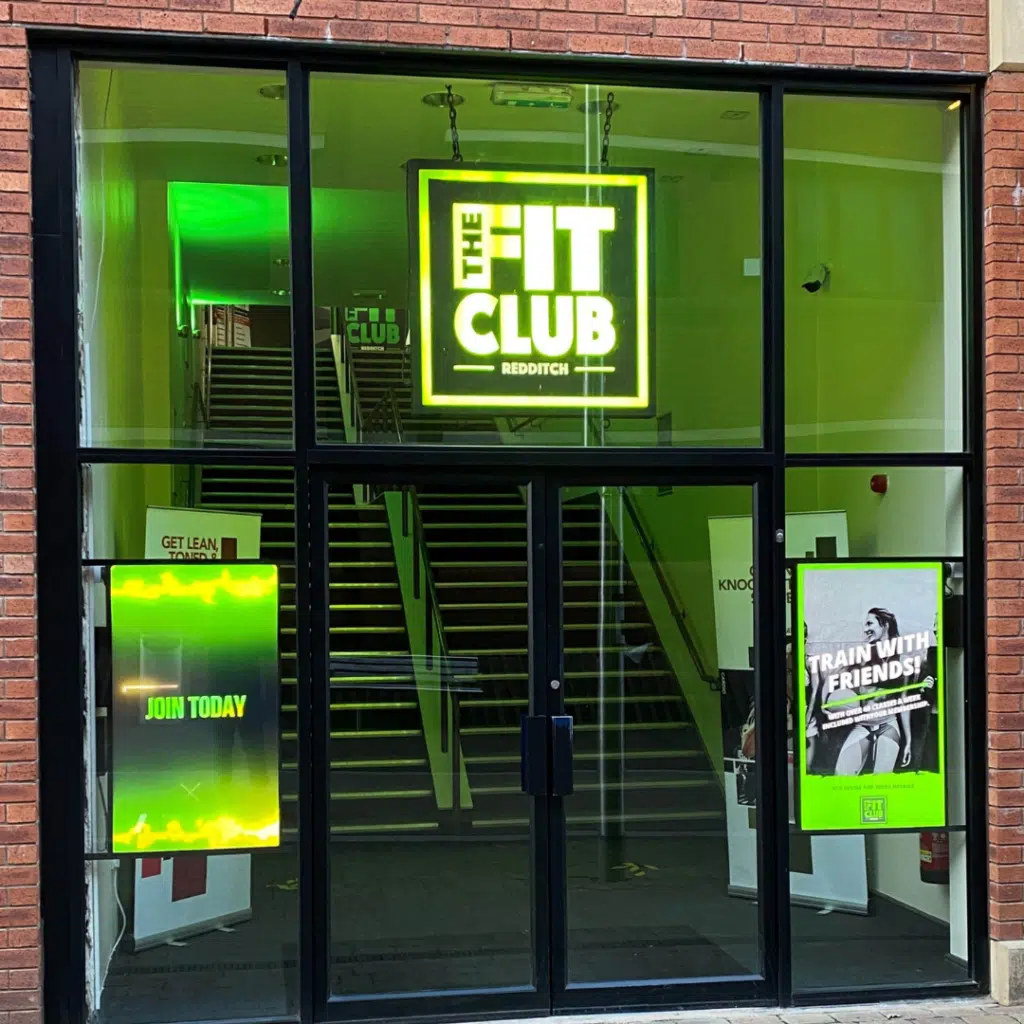
Take Rees Gym in Caerphily, who discovered the power of the data-driven approach after visiting fellow Ashbourne partner Gym The Fit Club Redditch with us. They used Ashbourne’s BI Dashboards not only to predict the rush but to demonstrate the potential of their business to others in the area. They were able to use the footfall data they were suddenly collecting to lure in all sorts of specialists from the local area. 

Meanwhile across the border in England, Ultraflex sat down with us and discussed what an incredible impact our in-house support team has had on their operation. Ultraflex wanted to offer a premium service, but they felt unable to without the right support team. Since switching to Ashbourne, they have been able to operate with the confidence of knowing that a well-trained, in-house support team based in the UK has their back and it has made all the difference.

And they aren’t alone, Carl and Courtney at Elements Gym up in Stafford were also keen to reinforce just how much of an impact our in-house support team had had on their gym. 

If you want to know more about how Ashbourne can help your independent gym or fitness club not only survive but thrive during Q1 and beyond, click here to arrange a demo with our in-house team today. 

Get your club in shape.

Want to discover how? Let us show you.

Simply select your preferred timeslot and we’ll be in touch to have a chat about your health club,
the goals you want to achieve, and how our system can help you.

Get your club in shape.

Want to discover how? Let us show you.

Simply select your preferred timeslot and we’ll be in touch to have a chat about your health club, the goals you want to achieve, and how our system can help you.

Get your club in shape.

Want to discover how? Let us show you.

Simply select your preferred timeslot and we’ll be in touch to have a chat about your health club, the goals you want to achieve, and how our system can help you.

Spring Energy: How Member Behaviour Shifts This Time of Year

Spring Energy: How Member Behaviour Shifts This Time of Year

As we continue our march through a year in the fitness industry, we get to another key part of the calendar for any independent gym or fitness club. March. We’ve already witnessed the  tidal wave of good intentions that is January, followed by the February grind.

But then March arrives, and as if on cue the sun reappears for more than five minutes at a time. Daylight lasts longer, the air smells different and people, your members included, have more energy. It might all disappear in a round of showers come April but after the winter we have just had, people will take any amount of sun.

For independent gym owners across the UK and Ireland, spring isn’t just another month on the rota. It’s a crossroads for their member’s behaviour. Understanding both this shift and how best to capitalise on it can be the difference between a quiet April and a packed house as we finally approach summer. 

Marching Orders

As we covered earlier in the year, by March we generally find a portion of the New Year’s resolution crowd has thinned out. Anyone who is still attending by the time the clocks go forward can partially shed the label of January Joiner. By March and April, those are just members for most metrics.

So whereas for the first two months we focused on how to keep those joiners, now we are going to look forward. Because that is what your members will be doing. We’ve all been reminded that the giant orb in the sky can occasionally produce heat and that has people thinking about Summer.

Attendance in March and April tends to be steadier than the volatile spikes of January and February. It is less frantic but that doesn’t mean it doesn’t hold attrition and retention perils for independent gyms.

Because March is also the time when the gyms and fitness clubs start to compete with the great outdoors. Emphasis on the word start. The evenings are slightly lighter and the temperature is a bit warmer. It isn’t the full-blown allure of Summer but the brave among your members will want to get out and smell the daffodils. 

So whereas January and February are all about dealing with motivation in the face of optimistic life changes and trudging through bleak mid-winter, March is about dealing with the shift in not only member habits, but member focus. 

The Class Schedule Shuffle

One of the most immediate changes we notice in spring is how your members want to move. The heavy, indoor-focused mentality of winter often gives way to a desire for leaner, more athletic conditioning. Suddenly being outside just seems more fun after a period of largely being either cold, indoors or both. And March is also where we usually start to see a shift in member timing.

When the sun is already set at four thirty in January, it is easy for members to convince themselves there is nowhere better to be. But by mid-March there is still well over an hour of sun left at 1630 and it might look awfully tempting. 

This is where agility in your programming becomes vital. You don’t need to rip up your entire timetable, but a spring refresh can work wonders. It is important to not only look at your timetable but also what you are offering. Perhaps that will mean introducing more HIIT-based sessions, outdoor warm-ups, or even early-morning classes that cater to members who are now waking up naturally with the sunrise.

Ultimately your members know what they want best, which is why we have always suggested empowering your members

This is where the right tools take the headache out of the transition. Relying on paper rotas or group chats to manage instructor availability for a new seasonal timetable is a recipe for chaos as your staff draw information from different, often misaligned sources.

This is why it is vital to have your gym’s class system integrated into class management software, allowing you to see exactly which classes (or even timeslots) are underperforming and which are jampacked, allowing you to reallocate resources instantly. 

If your data shows a 35% drop in a Monday evening yoga class but a surge in demand for 7pm circuits, you can pivot your operation within the week with minimal confusion. Add in push notifications delivered by your members’ app directly to their phones and the scope for miscommunication is minimal.

Here at Ashbourne, our systems are designed to give you the visibility and flexibility required to respond to your members needs and improve your members’ experience. Whether it is allowing you to adjust your schedule on the fly without the admin nightmare. It turns the spring shuffle from a logistical burden into a seamless evolution.

For more information, contact our in-house, UK based demonstration team today here.

Community, The Outdoors and Keeping Members in the Gym

As March gives way to Spring-proper, the biggest competitor won’t be the gym down the road, it will be the beer garden, the football pitch, the jog through the park or the long evening walk. So, how do you convince someone to spend time under your roof when the world is calling them outside? 

Spring is the perfect time to lean heavily into community events both inside your facility and even outside. Embrace the growing desire for movement, community and a shift in member goals to appeal as patterns and schedules inevitably move. Can you organise a Sunday morning run club that finishes with coffee and protein pancakes back at the club? What about an in-house community event hosted on a sleepy weekday evening. These are the events that will get members re-engaging with your gym even as their schedule starts to open up and change.

These events serve multiple purposes in combating and utilising the spring shift. They keep your existing members engaged by giving them a social reason to show up, they strengthen your community at a critical time and they can also act as a powerful recruitment tool. When non-members see your group pounding the pavements or taking over a local park, it sends a signal that your gym is alive and connected to the local area.

There’s a tangible energy shift when summer is around the corner. Priorities change, schedules change, goals change. By creating a calendar of social and fitness events and promoting it at the right time, whether it is a “Summer Ready” challenge, a charity 5K, or just a post-workout coffee break, you give your members a reason to stay locked in. It transforms the gym from a transactional place into a community that your members can feel they belong to. 

A Time of Change

For independent gym owners, spring represents a second chance. The automatic pilot of the New Year is over, and you have a clear view of who your core members really are. By managing your class schedules in a proactive way with the help of new software and doubling down on your community connections and ties, you can carry that spring energy all the way through to the summer.

Do you feel like the fitness industry in the UK often gets the short end of the stick from our government in Westminster?

Here at Ashbourne Membership Management, we have been tirelessly working within the fitness industry for over 25 years and we think it is time that independent gyms and fitness clubs across England, Wales, Scotland, and Northern Ireland made their voices heard. That is why we are a key supporter of the Fair Rates for Fitness campaign.

If you are a gym owner, manager, worker or even just a member of a gym or fitness club here in the UK, please click the link to see what you can do to help your gym or club. The societal and health benefits that our industry brings to the UK are huge, and we believe it is time the government recognised our contributions as such. If you feel the same, check out Fair Rates for Fitness and contact our partners over at the Gym Owner’s Forum. 

Get your club in shape.

Want to discover how? Let us show you.

Simply select your preferred timeslot and we’ll be in touch to have a chat about your health club,
the goals you want to achieve, and how our system can help you.

Get your club in shape.

Want to discover how? Let us show you.

Simply select your preferred timeslot and we’ll be in touch to have a chat about your health club, the goals you want to achieve, and how our system can help you.

Get your club in shape.

Want to discover how? Let us show you.

Simply select your preferred timeslot and we’ll be in touch to have a chat about your health club, the goals you want to achieve, and how our system can help you.

A Q1 Health Check: What Every Gym Owner Should Review Now

Gym performance review in a working fitness space

A Q1 Health Check: What Every Gym Owner Should Review Now

The first quarter of the year can feel like a blur. You have navigated the January rush, survived the “Quitters’ Day” spike in cancellations and watched the daylight creep back into those early evening sessions. For most independent gym and fitness club owners in the UK and Ireland, Q1 feels less like a quarter and more like a marathon. Now that you are coming out of the other side, it is tempting to look forward and plan the next marketing push. Time to get back to normality.

But before any of that, it is time to start pulling reports, fire up the dashboards and review the data.

March is the perfect time for a health check for nearly any fitness business, a good look at the operational and financial well-being of your facility (or facilities). Q1 is a vital quarter every year, and every independent gym can benefit from taking stock after this busy time, not only to understand how your facility performed during the quarter, but to lay the groundwork for the rest of the year and future 1st Quarters.

Avoiding the Vanity Metrics

When you log into your dashboard, what is the first number you look at? For many, it is total revenue or total member count. These are the numbers we instinctively glance at because we expect they will give us a good feeling.

Be wary of looking for comforting numbers and vanity metrics, it can give a false feeling of security and confidence. 

Total member count, for example, can hide a multitude of sins. You might have signed up 200 new members in January, which looks great on a social media graphic or a powerpoint presentation.

But if your software also shows that 150 of those were on discounted, short-term memberships, and 100 existing members quietly slipped away in February, that headline number is useless. 

The same can be true of several key metrics that look good on paper but give a poor overall indication of the reality on the facility floor. It is important not to fall into this trap. Having a vast swathe of live data available at the touch of a button is a wonderful tool but it is also possible to stop seeing the wood for the trees. It is a matter of focusing on the right data, not just any data. A Q1 health check requires you to ignore the headline and dig into what matters.

Three Metrics that Matter

To get a clear picture of your gym’s health, you need to focus on the metrics that predict behaviour, not just record it. Here are three key areas to review at the end of Q1 for any independent gym or fitness club owner.

Retention by Cohort, Not Average

Averaging your retention rate across your entire membership base is like saying you have one foot in a bucket of ice water and one in a roaring fire, on average it will show a comfortable temperature.

Instead, look at the retention of specific groups and demographics. Pull a report comparing the members who joined in January 2026 against those who joined in October 2025.

  • Where is the drop-off? The fitness industry loves to throw the stat around that 50% of new joiners leave within six months, but why accept an industry truism when you can check whether it happens in your gym?

    And if it does happen, isolate it even further. Are the majority of your new joiners leaving by the third month? Are they more likely to leave after missing their third class? Understand where and when to intervene.


  • The Six-Month Wall: Your Q1 review isn’t just about those members who joined in January.

    Pay close attention to members who joined in September or October of last year. They are now hitting that all important six to nine month mark. If their check-in frequency has dropped below once a week, they are statistically much more likely to cancel. Your Q1 review should identify exactly who these people are so you can plan a reactivation campaign for Q2.

Historic Revenue Comparison (Like-for-Like)

It is easy to compare your bank balance now to your bank balance last year, but that doesn’t account for changes you have made. Did you put up your prices in December? Did you give your staff a payrise? Did you add new classes that required an extra instructor?

Stripping back the layers can help you understand the full picture.

  • Compare the same period and prepare for the next Q1: How did the first ten weeks of this year compare to the same ten weeks last year? Make the data that you record and report on useful for your future Q1 reviews.

  • Analyse the “New Year” surge: The budget chains often report revenue growth based on sheer volume, but for an independent gym, profitability is about value. Look at your Average Revenue Per Member (ARPM) . If your ARPM has dropped even though your member count is stable, it means you are selling cheaper memberships or discounting too heavily. Q1 is the time to spot that erosion before it becomes a revenue crisis.

Member Engagement 

A member who attends is a member who stays. But engagement can’t be purely measured via the scanning of a fingerprint at the turnstile.

Your gym’s membership management software should be able to tell you which members are truly engaging with your facility and brand, and which are just checking in and then checking out. 

  • Class booking patterns: Is your gym floor packed while your classes are empty? Or perhaps the reverse is true? Do you have a segment of members who only use the app to book and rarely turn up? Record class attendance in January and February might not be a great sign if it has started to dip significantly at the end of Q1 in March. High no-show rates in Q1 are a potential red flag for the Q2 churn to come.

  • The “Dormant” List: Run a report on members who haven’t checked in for the last 14 to 21 days. Some Membership Management Software have built-in retention tools. Don’t wait for your flagging members to hand in their notice while looking at your gym’s vanity stats.

    These retention lists and in-built retention trackers can quickly become your single most important retention tool for identifying at risk members. These members haven’t decided to leave yet, they have just fallen out of the habit.

    Your Q1 review should focus on quantifying and understanding the size of this group and the reasoning behind their lack of engagement. If it is revealed this group is a significant percentage of your active membership, you should consider starting Q2 with a phone-based retention campaign rather than a simple targeted e-mail. 

Looking Ahead to Q2: From Analysis to Action

Once you have completed your Q1 health check, you will have a clear view of what is working and what will require more focus moving forward. Q2 is, of course, a different challenge altogether. The winter gloom hasn’t completely disappeared and the summer sun hasn’t emerged. But the days are longer, energy levels increase and people start thinking about their “summer bodies” once again.

If Q1 in the fitness industry is marked by a series of spikes and dips, Q2 is a time of comparatively steady growth. 

So here is what to potentially focus on next for independent gym and fitness club owners as we look to Q2:


Membership reactivation over mass acquisition:

In Q1, it is natural to focus on acquisition simply because the demand is there, whether it is the January Joiners or the Spring Wave. In Q2, it is time to consolidate. As we talked before, the crop from the latter half of the previous year will be hitting their 6 to 9 month wall, the January in-take will be approaching 3 months. Now is the time to make that retention rate skyrocket for the rest of the year.

For those independent gym and fitness club owners that have been tracking their prospects well (via such means as a Customer Relationship Management system), this is an ideal time to incorporate prospective and lapsed members. With summer on the mind and the disruptions of the holidays a distant memory, Q2 has always been a fantastic time to reach out and favour ‘warm’ leads over cold ones. 


Protect Your Price

As we move towards summer, there is often a temptation to discount to keep the numbers up. It is often a temptation that independent gym and fitness club owners would do better to resist.

If your Q1 analysis shows your ARPM is healthy, protect it. Instead of discounting membership, consider adding value. Launch a six-week summer challenge for existing members, or introduce a “bring a friend” month in May. This increases engagement (which allows you to protect against the summer churn) without cheapening your product or diluting your ARPM. 


Staff and Class Reviews

Q1 requires your staff to work tirelessly. Q2 is the time to focus on their development, performance and needs. Use the quieter moments for training. Use the opportunity to ask them how they think Q1 went and what could be done moving forward, both for the rest of the year and for next year’s Q1 period.

If your class reports are showing certain times are consistently empty, adjust the schedule now rather than dragging underperforming classes through the summer.

The independent gyms and fitness clubs that thrive aren’t necessarily the ones with the busiest January in our 25 years of experience, they are the facilities with the tools to understand what worked and what didn’t and the ability to act upon that data. 

More to Read...

Get your club in shape.

Want to discover how? Let us show you.

Simply select your preferred timeslot and we’ll be in touch to have a chat about your health club,
the goals you want to achieve, and how our system can help you.

Get your club in shape.

Want to discover how? Let us show you.

Simply select your preferred timeslot and we’ll be in touch to have a chat about your health club, the goals you want to achieve, and how our system can help you.

Get your club in shape.

Want to discover how? Let us show you.

Simply select your preferred timeslot and we’ll be in touch to have a chat about your health club, the goals you want to achieve, and how our system can help you.

How Successful Gyms Retain Members Beyond Week Six

How Successful Gyms Retain Members Beyond Week Six

Everyone knows that in the first month of the year, a gym is always full of good intentions. By week six, reality is starting to take its toll. Life gets busy, motivation falters and some members start to realise that the momentum of that initial New Year’s Resolution can only take you so far.

Week six is where the attrition really starts to set in, and for independent gyms and fitness clubs this is a make-or-break time for their yearly retention margins. The members who stay past this point are far more likely to stick around for the long haul. So the question we are often asked is, ‘how do we help members bridge this motivation gap?’

For gyms, this shouldn’t be seen as a sign of failure, it is a combination of factors. From embarking on a lifestyle change for poor reasons to seasonally depleted energy reserves.

But equally, this isn’t a trend that should be regarded as inevitable. The true test isn’t the January rush, how your fitness business helps members push through to March. The members who you can help get over this hump are the ones who will make a genuine change to their lifestyle.

It is our goal as members of the fitness industry to help them forge habits, find a community and give them the best space to work out. So let’s take a look at what independent gym and fitness club owners can do to give their members the best chance of making it over the six week mark. 

A Genuine Follow-Up

Very few members have ever been impressed when reading a generic “How’s it going?” or “We Miss You” e-mail. And even those only get read if they don’t end up in the spam folder automatically . 

Successful follow-ups have to feel timely, specific and genuine. A quick check-in after a member’s third visit, small talk with a member of staff on the floor asking about their progress or a simple message acknowledging they have hit a month. They might seem like small gestures but they can make a big difference.

Support is one of the main reasons people sign-up to a fitness club, but support doesn’t just mean someone yelling at you like Mickey shouts at Rocky. Sometimes it is a small, personal and genuine check-in.

Personalisation

You already know that your members joined your gym for a hundred different reasons. So a one-size-fits-all approach to communication can feel like noise, or worse still, it can feel disingenuous.

Personalisation is about making the most of what you know about your members. It is about addressing each member by name. It is about having a system that can record and categorise members by their interests, classes attended and goals and communicate to them along those parameters.

Personalisation doesn’t mean writing each member a handwritten letter, but by sorting members into intuitive categories that reflect their interests, goals and circumstance, you and your staff can make members feel as if your facility is both attentive and supportive.

The Strength of a Consistent System

As we implied above, relying on the memory of your staff to keep your members engaged is a fragile strategy. While it is great if your staff can remember the regulars, unless someone has an incredible natural talent for faces and names, no-one can remember an entire membership base.

To truly make an impact on retention, it is important to rely on systems that work automatically and unfailingly in the background.

A system that can retain information on members from their first day onwards can make all the difference. One that everyone can access, from the staff you have doing the marketing to the staff working on the gym floor. By relying on these systems rather than encouraging everyone to remember every face, you free up your team to genuinely connect with the people in front of them.

Customer Relationship Management Software

And this is where it has all been leading, a reliable system that can keep track of your members, their preferences and allow your staff to communicate to them in a personalised way.

A Customer Relationship Management (CRM) system shouldn’t just be a database, it should be any independent gym or fitness club’s retention strategy.

As with many things in life, including working out. The more you and your staff put in, the more you will get out. If your categories are imprecise and the information staff put in is incorrect or incomplete? You are unlikely to see a rise in retention.

But if you and your staff start to successfully record which members share goals, which go to the same classes and which have been struggling with attendance, it can transform your communication and have a significant impact on retention.

A good CRM can become the focal point for retention efforts and even help a gym or club to boost secondary spend. 

With enough information, your CRM won’t just contain a list of names. It will contain a series of usable categories. Every member who is interested in long-distance running, every member into Yoga, every member that is currently engaged in a recovery or physio process.

By categorising members based on behaviour, attendance, goals and habits, you can ensure that your mass-communications feel personalised, considered and genuine. You can send class updates to those who actually attend them, pertinent advice to those who will appreciate it and encouragement to those who are flagging. 

Used by Independent Gyms and Fitness Clubs Every Day

Here at Ashbourne, we like to practice what we preach. Our systems were made by gym owners, for gym owners and as such we want to make sure each and every partner is getting the most out of our systems.

And our CRM system is no exception. Every day hundreds of independent gym and fitness club owners use our system to help identify everything from which members haven’t shown up to which will appreciate a new class they are running. 

And because we love to learn from our partners, we’ve been visiting to learn how they have incorporated our tools into their strategies. Gyms such as Quest Fitness in Caerphily who have been using our Prospect Management’s retention tools to identify at-risk members and boost their retention margins, or Crossfit Tyneside who swapped out spreadsheets and paper for seamless software to make sure each member got a more personalised experience.

If you want to see our growing collection of articles detailing the difference we’ve made to independent gyms and fitness clubs up and down the UK and Ireland, follow this link here.

And if you want to see if Ashbourne might be the right partner to take your independent gym to the next level, click here to arrange a demonstration with our in-house team today and they can talk you through how our Prospect Management software is just one of the many cutting-edge tools we’ve provided to countless gym owners over our 25 years operating in the fitness industry. 

More to Read...

Get your club in shape.

Want to discover how? Let us show you.

Simply select your preferred timeslot and we’ll be in touch to have a chat about your health club,
the goals you want to achieve, and how our system can help you.

Get your club in shape.

Want to discover how? Let us show you.

Simply select your preferred timeslot and we’ll be in touch to have a chat about your health club, the goals you want to achieve, and how our system can help you.

Get your club in shape.

Want to discover how? Let us show you.

Simply select your preferred timeslot and we’ll be in touch to have a chat about your health club, the goals you want to achieve, and how our system can help you.
What Really Causes the February Drop-Off (and How to Stop It)

What Really Causes the February Drop-Off (and How to Stop It)

Throughout January we focused on how to survive and then thrive during the rush. Now, as February settles in, we turn our attention to retention. January is a period of momentum in the fitness industry, but as we all know, February is where that momentum starts to wane.

The early evening rush starts to thin out and routines become shaky as other commitments kick in. 

Luckily for us here in the fitness industry, the February Drop-Off is just as known an entity as the January Rush. And that means we can anticipate it and attempt to mitigate it.

Which is exactly what we will be doing today. 

The Real Causes Of Membership Drop-Off

Some have always tried to explain away the February drop-off in three words. ‘People are lazy’. It is simple, it is convenient, and it is a handy abdication of responsibility to boot. 

‘Nothing to be done, just human nature’.

Like many enduring falsehoods, there is a bit of truth in there. New Year and our culture of New Year’s Resolutions does encourage people to commit beyond their ability, but that certainly isn’t even the majority of the story, let alone the whole story.

So rather than treating the February Drop-Off as an inevitability, we will be looking at how to identify the real causes and then how to try and stop them. 

Fatigue 


First, there is fatigue. The old enemy. A likely by-product when people encourage one another to take on a large, energy-intensive commitment during the coldest, darkest months of the year. 

Combine that with the all too common ‘all-or-nothing’ mindset, going from zero to six sessions a week. Well it is a recipe for burnout, whether physically, mentally or both.

New members are desperate to rush for a ‘new them’ and desperate to get the most for their money. By February the members who have approached a membership like this are burning out and they are one of the highest risk categories to not make it to March. 

Routine

On the less dramatic side of things we have routine disruption. For many people January is a bit of a blank slate. Everyone is recovering from the Christmas period and in a pseudo-hibernation.

By February, real life returns. Social invites increase, the schedules get hectic. The regular 6pm workout slot no longer feels quite so untouchable. For some, once the new routine cracks it can be incredibly hard to re-establish that momentum. A missed week easily becomes a missed month.

So, how do we, those working in the fitness industry, help our members to bounce back from these issues and give them (and the retention rate that they contribute to) the best chance.

Perhaps unsurprisingly, it is less about flashy marketing and catchphrases, and much more about support.

How to Keep Your Members On Track

How much of the below you and your facility decide to act upon will be largely determined on the services you wish to provide to your members. Do you want to provide a place for them to simply workout, or a more involved and supportive role. Both are valid, but one is more likely to result in a much larger retention and therefore growth rate over time.

The tools you use, and how you use them, can make all the difference in turning this supportive style from manhour intensive to a precise and efficient process. 

1. Empower Your Staff

Your team on the floor are your eyes on the ground. But if they are too worried about hitting targets every moment of every day, they won’t have time to look after your members.

Train, encourage and give them the time to  them to spot the members who are looking lost or haven’t shown up for a few weeks. A simple, ‘Haven’t seen you this week, everything okay?’ from a familiar face can make a big difference. 

It helps remind your members that they aren’t just paying for a place to work out, and that their presence is noted. While this approach requires giving your staff extra leeway, it can make a significant difference to flagging members and help them to access the guidance they need.

2. Support, Don’t Sell

Everyone receives one hundred ‘We miss you!’ blasts every year. No-one can take all of them seriously so they wash over a member like water off a duck’s back. But with a membership system that is keeping track of attendance, it is possible to segment your members and send more personalised correspondence with a greater chance of identifying what has actually caused the lapse in attendance. 

By sorting members into categories, this ‘we miss you’ correspondence will seem a lot more genuine and attentive than a widespread e-mail blast

3. Offer Direction, not just Inspiration

Member blogs and emails allow you to tackle the causes of the February slump head-on. By writing e-mails with content that addresses the struggles many members go through at this time of year, you can boost retention.

Don’t fill your e-mails with generic pep talk, get specific.

  • Encourage members to come in for smaller amounts of time by writing about ‘The Power of a 20-Minute Session’ when life gets busy.

  • Feature members that are seeing results and how they cope with their workout/life balance.

  • Share simple, 3 week winter workout plans designed to keep momentum and consistency

Give your members practical, manageable steps during the dark winter months. They have come to your facility for fitness expertise and guidance and that service doesn’t need to purely exist within the 4 walls of your gym.

4. Let Tech Help You See Each Story 

A good gym membership management system should do more than just take payments. It should give you eyes. Here are some gym membership management features that can make the difference to those member retention margins. 

  • Customer Relationship Management (CRM) Systems: You should be able to see at a glance who’s slipping. Set up alerts for attendance dips at the thresholds that seem right to you. Encourage your team to log notes from your team’s chats with members and create categories based around members with similar goals (such as Couch to 5k).

    Mark members that have previously had flagging attendance and target them with special incentives and offers before their flagging attendance becomes a full-on cancellation.

  • BI Dashboards: Look beyond total membership numbers. Track weekly visit frequency for your January intake. What percentage are falling away? 20%? More?

    Which classes have resulted in the highest retention, and which have the lowest? This data tells you where to focus your energy and what sections of your business might not be pulling their weight in keeping up that retention rate.

    If one class has managed to keep 80% of their January in-take and another has kept 30%, there is something to be learned. 

The February Drop-Off is often framed as inevitable, but it doesn’t have to be. It is a test of any independent gym’s infrastructure and ability to communicate and engage with its members. But it is a test that, if passed, can set the foundations for a fantastic year of growth.

Through a combination of the human touch and digital systems, independent gyms and fitness clubs can start to guide January Joiners through the toughest parts of the year, making a change to their lives and your retention rates. 


Here at Ashbourne we’ve been helping independent gyms support their members for over 25 years. In that time we’ve shaped our system around the three groups that matter to us. Gym owners, their staff and their membership.

Through our cutting-edge BI Dashboards and CRM system, we enable independent fitness businesses and their staff to reach more people before their motivation fails. Despite our data expertise, we never want to lose track of the members who make up that data.

The great thing about our industry is that there are no losers. By satisfying the members, we not only help to transform their lives for the better, they in turn bolster our business. So if you want to learn how Ashbourne can help you reach more members before the February Drop-Off hits, book a free demo here today with our in-house demonstration team. 

More to Read...

Get your club in shape.

Want to discover how? Let us show you.

Simply select your preferred timeslot and we’ll be in touch to have a chat about your health club,
the goals you want to achieve, and how our system can help you.

Get your club in shape.

Want to discover how? Let us show you.

Simply select your preferred timeslot and we’ll be in touch to have a chat about your health club, the goals you want to achieve, and how our system can help you.

Get your club in shape.

Want to discover how? Let us show you.

Simply select your preferred timeslot and we’ll be in touch to have a chat about your health club, the goals you want to achieve, and how our system can help you.

Why February Is the Real Test of Your Membership Model

Why February Is the Real Test of Your Membership Model

January in a gym or fitness club operates on its own logic and energy. Even people outside of the fitness industry are aware there is a ‘January Rush’. It can make implementing meaningful change challenging for even the most prepared gym owner, as we spent much of January covering on this very blog.

Then comes February and things aren’t quite normal yet, but they are getting there.

But for many gym members hits like the 4k mark in a 10k run. The momentum from New Year and holiday living has started to wane, Blue Monday has taken its toll and there is still at least another month of low sunlight. The direct debits that felt painless in January looks like a tempting cutback in February. This is the month that will determine if your retention measures are working, and how independent gym and fitness club owners handle the February Fade will play a key part in their facility’s growth and retention figures for the rest of the year. 

The February Drop-Off (or the February Fade)

With over 25 years operating in the fitness industry, we have seen the pattern across thousands of clubs and helped to reduce the negative effects of this trend for our partners gyms and fitness clubs since before the millennium.

Mid-to-late February is one of the key periods of attrition and when the attrition rate for January Joiners turns to spike. The member who came in twelve times in January has visited twice this month. They aren’t sick, they are either burning out, or busy, or broke or some combination of the above and a few more issues besides. 

Maybe they are questioning the value of their membership. Maybe they are questioning if they have the time. Maybe they are wondering if this is ‘really them’. Or maybe they want to reclaim those precious hours from these dark days. 

The February Fade can’t be boiled down to just laziness, and that is a good thing for us here in the fitness industry. If we stop treating February’s dropoff as inevitable, we can start understanding how best to counteract this trend. As we covered in our January blogs, the reason this trend of joining and leaving is so pronounced is partially due to the season. It brings everything else, a gym’s pricing, facility and community, under greater scrutiny by each member. So let’s take a look at what we can all do this February. 

The Cost versus Value Proposition

When a February drop-off member fills out the cancellation survey ‘the price’ will come up disproportionate to other results. Some are genuine, of course. But for many it is an impersonal exit line that doesn’t force the member to admit anything. They aren’t quitting, just being financially prudent.

But price is, of course, a growing concern for many. And at the beginning of the year, with its high heating bills and potentially a Christmas to pay off, the formula of cost and value are never far from people’s minds.

The membership cost is always being measured against the perceived return and that perception of that return can feel warped for any number of reasons during the trying first months of a new year. 

It is important to make sure that you and your staff are doing as much as you can to reinforce the benefits of your service, whether it is community events, discounts or mental and physical health benefits. A member who feels that their membership is supporting them and helping them to enhance their lifestyle and their routine will be much more likely to justify the cost.

Identifying the Early Warning Signs of February Fading

As we will cover below, Ashbourne can help take the guesswork out of identifying who is at risk. But what should we be looking out for?

  • The member who slipped from their pattern of steadily attending at the same time to a more erratic or sporadic schedule.

  • The member who consistently attended the same class for all of January but now hasn’t for all or most of February.

  • And of course, the member who had their direct debit payment bounce.

Much like the exit surveys, it is important to remember when looking at your dashboards that these aren’t just datapoints, they represent a member becoming less engaged with your service. An indication that they are questioning the cost versus value proposition. The question we have to focus on now is whether your facility is equipped to spot it in time?

Data-Driven Retention

Identifying trends in retention is one of the many areas where moving from a simple payment processor to a unified gym management system can be a true game changer. Searching through unconnected spreadsheets and basic reports can only tell you so much, and usually a month too late. To be able to make a significant impact on retention, you need to know what is happening in your facility right now. 

With Ashbourne Membership Management’s BI dashboards showing you the true, up-to-date picture from your facility floor, guesswork can become a thing of the past.

Not only is it possible to understand which members are at risk with a few clicks, you can also monitor any of the scenarios we laid out above, whether it is someone’s pattern of attendance changing, a fall off in booking classes or late payments, you will be able to see it, up to date and at a glance.

Not only that, but with our retention tools, certain categories of at-risk members can be flagged to your staff automatically using the same attendance data that informs everything from access to payment status.This enables our partner gyms to contact the at-risk members, whether it is passively, via targeted e-mails, or directly to ask if anything can be done.

All of this can have a massive effect on retention rates, not only during February but at any stage of the year. 

But it is a system that really proves its worth during bite periods, and February is one of the times where our retention systems can have a profound impact on a gym’s member count by the time Spring comes around.

Beat the Fade and Boost Retention with Ashbourne

As a system built by and for gym owners, our entire membership management system is designed to help tackle the problems that irk the fitness businesses year after year. 

If you want to know more about how we here at Ashbourne Membership Management can help reduce the fade and boost retention, book a free demo with our in-house, UK-based demonstration team today.

In many ways, February is the proving ground, both for members and for your business. By using the right tools to spot disengaging members early, and by understanding why they might be disengaging, you can ensure that the annual February test becomes part of a fantastic first quarter for your gym. 

More to Read...

Get your club in shape.

Want to discover how? Let us show you.

Simply select your preferred timeslot and we’ll be in touch to have a chat about your health club,
the goals you want to achieve, and how our system can help you.

Get your club in shape.

Want to discover how? Let us show you.

Simply select your preferred timeslot and we’ll be in touch to have a chat about your health club, the goals you want to achieve, and how our system can help you.

Get your club in shape.

Want to discover how? Let us show you.

Simply select your preferred timeslot and we’ll be in touch to have a chat about your health club, the goals you want to achieve, and how our system can help you.

Let Us Help Drive Your Business Forward...

Book your free demo slot and let us show you how
we can help take your gym to the next level.